
How to Store Seasonal Clothes Efficiently for a Clutter-Free Home
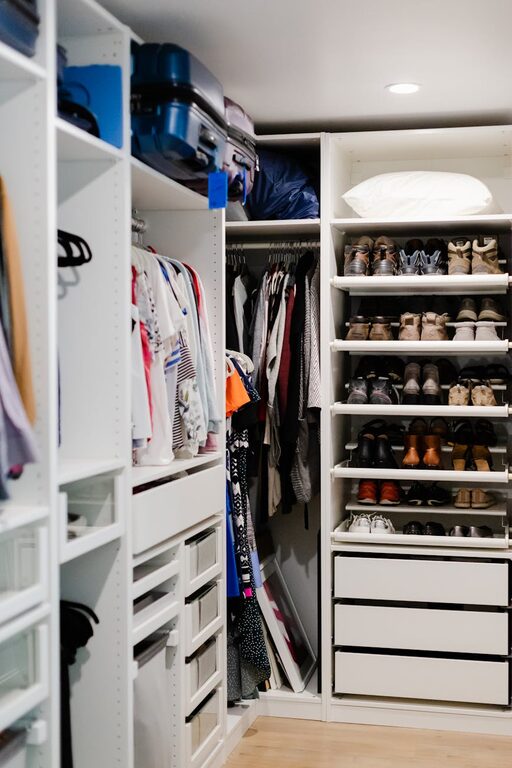
Storing seasonal clothes efficiently can transform your home, making it tidier and helping you find what you need without hassle. When you swap winter coats for summer dresses or pack away bulky sweaters, having a clear plan makes all the difference. In this post, we’ll explore practical tips and clever storage methods to keep your off-season wardrobe in great shape and your living space clutter-free.
Why Store Seasonal Clothes Properly?
Proper storage isn’t just about saving space. It also protects your clothes from damage caused by dust, moisture, pests, or creases. Plus, organizing your clothes by season streamlines your daily routine — you easily find what you need and can enjoy a more organized closet.
Step 1: Sort and Declutter Before Storing
Before putting clothes away, it’s important to go through them with a critical eye.
– Try on clothes: What fits and feels good? Set aside items that no longer do.
– Check for damage: Repair buttons, fix zippers, or mend small tears.
– Donate or recycle: Clothes in good condition that you no longer want can benefit someone else or be responsibly recycled.
Only keep what you intend to use again. This reduces clutter and storage needs.
Step 2: Clean Everything Thoroughly
Always wash or dry clean clothes before storage. Dirt, oils, and odors can attract pests or cause fabric damage over time. Freshly cleaned clothes come out smelling pleasant and ready to wear.
Step 3: Choose the Right Storage Containers
The containers you use make a big difference in preserving your clothes.
– Plastic bins with lids: These protect from moisture and pests. Make sure bins are clean and dry before use.
– Breathable garment bags: Ideal for delicate pieces that need air circulation.
– Vacuum-seal bags: Great for bulky items like winter coats or blankets since they save space. However, avoid long-term use for natural fibers to prevent damage.
– Under-bed storage boxes: Utilize wasted space without stacking heavy containers on top.
– Storage drawers or dedicated wardrobe sections: If your closet space allows, designate areas for out-of-season items.
Label each container clearly with its contents. This saves time and reduces unnecessary searching.
Step 4: Organize for Easy Access
Consider how often you’ll need to access your stored clothes.
– Store seldom-used items like holiday sweaters or special occasion outfits on the highest shelves or at the back.
– Keep frequently rotated seasonal pieces near the front or in easy-to-reach storage.
– Group items by type (e.g., pants, tops, dresses) and maybe by color to simplify your routine.
Step 5: Create a Climate-Controlled Storage Space
Heat, humidity, and sunlight can damage fabrics.
– Choose a dry, cool area in your home like a closet, spare room, or under the bed.
– Avoid basements or garages that may have moisture or temperature fluctuations.
– Use silica gel packets or moisture absorbers inside containers to reduce dampness.
– If possible, keep clothes out of direct sunlight to prevent fading.
Step 6: Use Accessories to Preserve Shape and Fabric
– Padded hangers: Help maintain the shape of delicate garments.
– Tissue paper: Place between folds in sweaters to prevent creases.
– Shoe boxes or bags: Protect footwear from dust and deformation.
– Lavender or cedar sachets: Natural options to deter moths without harsh chemicals.
Step 7: Maintain Your Storage Routine
At the start and end of each season:
– Review stored clothes to see if anything needs washing or repairs.
– Reassess what you really wear and consider donating items you no longer use.
– Rotate storage containers seasonally for convenience.
Additional Tips for Specific Clothing Types
Sweaters and Knitwear
Avoid hangers which can stretch them out. Fold these and store in breathable containers, using tissue paper to prevent wrinkles.
Coats and Jackets
Hang heavier coats on sturdy hangers inside garment bags if space allows. For bulky winter jackets, vacuum-seal bags save space but don’t leave them compressed for too long.
Shoes and Boots
Clean before storing and keep them in original boxes or shoe bags. Stuff boots with newspaper or boot shapers to maintain their structure.
—
With these strategies, your seasonal clothes will stay fresh, organized, and easy to find when you need them. Efficient storage frees up valuable space and extends the life of your wardrobe — a win-win for your home and your closet. Happy organizing!
Related Post

Simple Tips for Organizing Files on Your Computer Effectively
Learn easy and practical tips to organize your computer files, boosting productivity and keeping your [...]