
How to Plan Balanced Meals Without Stress: Simple Tips for Busy Days
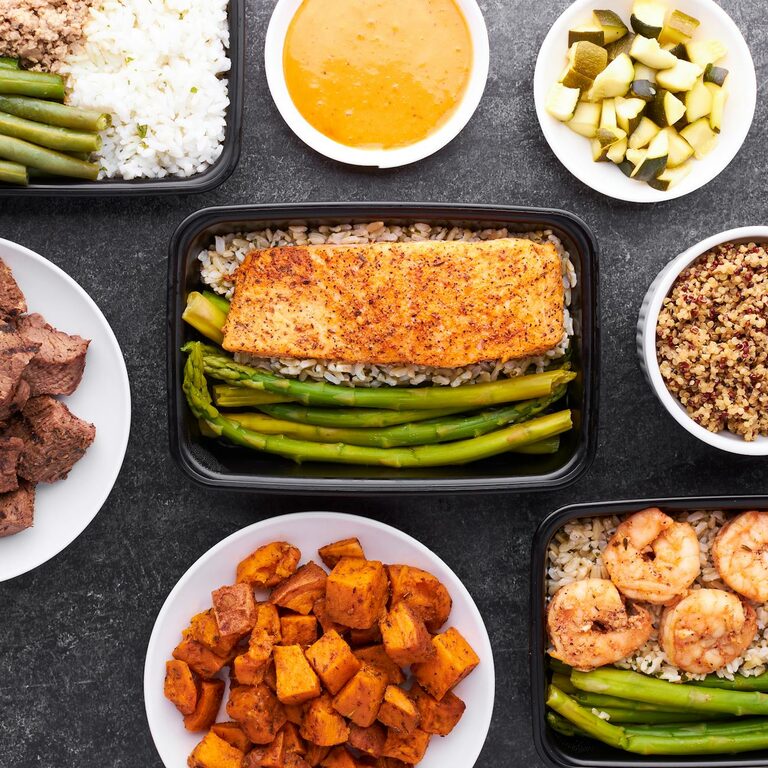
Planning balanced meals doesn’t have to be overwhelming or time-consuming. Many people struggle with deciding what to cook, worrying about nutrition, or feeling rushed during busy days. The good news is, with a few simple strategies, you can plan nourishing meals that are both enjoyable and stress-free.
In this post, we’ll explore practical tips to help you organize your meals, understand balanced nutrition, and make meal times easier and more enjoyable.
What is a Balanced Meal?
A balanced meal includes a variety of foods that supply all the nutrients your body needs: carbohydrates, proteins, healthy fats, vitamins, and minerals. Eating a variety ensures your body gets adequate energy and nutrients for optimal health.
Key Components of a Balanced Meal
– Protein: Supports muscle repair and keeps you full longer. Sources include lean meats, poultry, fish, beans, lentils, tofu, and dairy.
– Carbohydrates: Provide energy. Choose whole grains, fruits, vegetables, and legumes for steady energy and fiber.
– Healthy Fats: Essential for brain health and absorption of vitamins. Include avocados, nuts, seeds, olive oil, and fatty fish.
– Vegetables and Fruits: Packed with vitamins, minerals, and antioxidants. Aim for a colorful variety.
– Water: Staying hydrated supports digestion and overall well-being.
Why Planning Meals Helps Reduce Stress
Meal planning can transform your daily routine by:
– Saving time and reducing last-minute decisions
– Helping you stick to healthy choices
– Minimizing food waste and unnecessary spending
– Easing grocery shopping with a prepared list
When you know what you’ll eat ahead of time, mealtimes become calmer and more organized.
How to Start Planning Balanced Meals
1. Set Aside Time Weekly
Dedicate 20–30 minutes once a week to plan your meals. This can be done on weekends or any day that fits your schedule. Planning ahead sets you up for success.
2. Check Your Schedule
Consider your week’s activities. Plan simpler meals on busy days and more elaborate ones when you have extra time.
3. Build a Meal Template
Using a template helps streamline choices. For example:
– Monday: Protein + veggie + whole grain
– Tuesday: Soup or salad + whole grain + fruit
– Wednesday: Stir-fry with veggies and tofu or chicken
– Thursday: Pasta with vegetables and lean meat
– Friday: Homemade pizza with a veggie topping
– Weekend: Flexible meals or eating out
4. Choose Recipes You Enjoy and Can Make Easily
Start with familiar dishes. Over time, try new recipes to keep meals interesting without overwhelming yourself.
5. Balance Each Meal
Ensure every meal contains:
– Protein source
– Complex carbohydrates
– Healthy fats
– Plenty of vegetables or fruit
For snacks, combine protein and fiber to stay satisfied.
Tips for Stress-Free Meal Planning
Batch Cook and Meal Prep
Preparing components or whole meals in advance saves time during busy days. For example, cook grains or roast vegetables to use throughout the week.
Keep Staples on Hand
Stock your pantry and fridge with versatile ingredients like canned beans, frozen veggies, whole grains, and spices. This helps when you need to whip up a quick meal.
Use Simple Cooking Techniques
Grilling, roasting, steaming, or slow cooking make meals easier and enhance natural flavors.
Don’t Strive for Perfection
It’s okay if a meal isn’t perfectly balanced every time. Focus on overall eating patterns rather than each individual meal.
Sample Balanced Meal Ideas
– Breakfast: Greek yogurt with berries, chia seeds, and a drizzle of honey.
– Lunch: Quinoa salad with chickpeas, cherry tomatoes, cucumbers, olive oil, and lemon.
– Dinner: Baked salmon, roasted sweet potatoes, and steamed broccoli.
– Snack: Apple slices with almond butter.
Using Tools to Simplify Planning
– Apps and Websites: Many free meal planning apps offer recipe ideas and grocery lists.
– Printable Planners: Templates help you visualize your week of meals.
– Shopping Lists: Organize your grocery list by category to make shopping more efficient.
Final Thoughts
Planning balanced meals doesn’t require hours of work or complicated recipes. With a bit of preparation and focus on variety, you can nourish yourself and your family while reducing mealtime stress.
Start small, use these tips, and make adjustments to find what works best for your lifestyle. Enjoy the process of discovering new foods and creating healthy habits that last.